
"Santo Domingo coffee"
500 article(s) found

Introduction of fresh, elegant, full-grained Dominica Santo Domingo coffee
Flavor and taste characteristics: fresh and elegant, full particles, excellent acidity, pleasant aroma. The Dominican Republic is located in the east of the island of Haiti in the West Indies, bordering the Republic of Haiti to the west, the Atlantic Ocean to the north and the Caribbean Sea to the south. With an area of about 49000 square kilometers and a population of 7.1 million, the Dominican Republic and the Republic of Haiti coexist on an island bordering Haiti. Like its neighbors.

Introduction of boutique coffee beans in Dominica Santo Domingo coffee producing area
The earliest coffee in Dominica was introduced from Martinique (the overseas province of France), dating back to the early 18th century. Dominica is an island country with a tropical climate. The temperature changes little throughout the year. Except for the lower temperature in the Central Cordillera Mountains, which can reach less than 0 ℃ in winter, the annual average temperature in other areas is between 25 and 30 ℃, which is affected by the mountain topography.

Introduction of Dominica Coffee characteristics of Santo Domingo Coffee
Unlike coffee produced in Haiti, most of the coffee grown in the Dominican Republic has been washed, which is a symbol of high quality. Miniga Coffee uses a washing method to treat coffee beans, so that the quality of treated coffee beans is more guaranteed. The coffee beans treated by washing method retain more original flavor than the drying method, and the aroma is pure and soft. Carefully selected and made in this way

Grinding scale of Dominica Santo Domingo Coffee beans introduction to the varieties in the manor area
Coffee in Dominica varies slightly in taste according to the altitude of the region where it is grown, with sour but rich taste in the highlands, and less sour and smoother taste in the lowlands. On the other hand, the high-quality coffee beans produced by some Dominican estates have a rich aroma, mellow taste, moderately bright sour taste, and are often used with famous Puerto Rican or Jamaican coffee.

Description of flavor, taste and aroma characteristics of pure and soft Santo Domingo boutique coffee beans
Such flavor characteristics are not only related to varieties and the quality of planting soil, but also closely related to the picking and handling of raw beans. Coffee in Dominica is selected by the manual method with the highest cost, and workers mainly consider the fullness of coffee granules, and the other is to see whether they are even. according to these conditions, the coffee beans with the fullest and most uniform particles are graded.

Introduction to Dominica Santo Domingo Coffee
Following Cafe Review (official Wechat account vdailycom) found that Beautiful Cafe opened a small shop of its own Dominica: Santo Domingo coffee flavor and taste characteristics: fresh and elegant, full-bodied, excellent acidity, pleasant flavor. The Dominican Republic is a Central American and Caribbean country on the island of Spain with Haiti. The population is about 9.65 million and the land area is 48442.

Introduction to the taste and flavor characteristics of Dominican coffee-Santo Domingo coffee
Unlike coffee produced in Haiti, most of the coffee grown in the Dominican Republic has been washed, which is a symbol of high quality. Miniga Coffee uses a washing method to treat coffee beans, so that the quality of treated coffee beans is more guaranteed. The coffee beans treated by washing method retain more original flavor than the drying method, and the aroma is pure and soft. "Dominica coffee beans | Santo Domingo

Fresh and elegant taste of Dominican coffee introduce Santo Domingo coffee boutique coffee beans
Flavor and taste characteristics: fresh and elegant, full particles, excellent acidity, pleasant aroma. The Dominican Republic is located in the east of the island of Haiti in the West Indies, bordering the Republic of Haiti to the west, the Atlantic Ocean to the north and the Caribbean Sea to the south. With an area of about 49000 square kilometers and a population of 7.1 million, the Dominican Republic and the Republic of Haiti coexist on an island bordering Haiti. Like its neighbors.

Dominica's Santo Domingo Coffee varieties and characteristics
Following Ka Pin (Wechat official account vdailycom) found that Kind Cafe opened a small shop of its own species Kind Cafe the growing number of species was hit hard by the hurricane in 1998, resulting in countless losses everywhere, so the local people generally began to switch to Kaddura species with lower height and higher harvest. Although Baraona still has Tibica coffee, he suffers from hurricanes every year.

A brief introduction to the origin, development, history and culture of pure and gentle Santo Domingo boutique coffee beans
Such flavor characteristics are not only related to varieties and the quality of planting soil, but also closely related to the picking and handling of raw beans. Coffee in Dominica is selected by the manual method with the highest cost, and workers mainly consider the fullness of coffee granules, and the other is to see whether they are even. according to these conditions, the coffee beans with the fullest and most uniform particles are graded.

Introduction to the characteristics of high-quality coffee beans in Dominica Santo Domingo coffee flavor and taste varieties
In 1677, about 4,000 French lived in 11 villages in the west of the island. In 1697, France and Spain ceded the western part of the island to France according to the Leswick Treaty of the Alliance War, formally recognizing French sovereignty over Haiti in the western part of the Spanish island, and the eastern part of the Spanish island was called East Santo Domingo. France continues to develop its agricultural economy on the island of Hispaniola.

Moderately bright sour Dominica Santo Domingo coffee flavor description grind treatment taste
Coffee in Dominica is grown in highlands and lowlands, and its taste is slightly different. The upland is sour, but the taste is rich; the lowland is less sour and tastes smoother. Boutique coffee has prevailed in recent years. Some Dominican estates produce high-quality coffee beans with rich aroma, mellow taste, moderately bright sour taste, and the more famous Puerto Rico beans or Jamaica.

Fresh and elegant Santo Domingo boutique coffee bean cultivation geographical location, climate, good altitude
Carefully selected in this way, the high-quality Dominican coffee exudes a faint aroma and gives people a faint fruity aroma with a lingering finish and a smooth and smooth finish. To trace the origin of Tibica, we should first talk about the coffee trees originally planted in Martinique. These trees were planted by Dominicans as far back as the early 18th century, so Dominica began at that time.

Introduction to the characteristics of Dominican Santo Domingo Coffee Flavor Manor with rich aroma and mellow taste
After Santo Domingo returned to Spanish rule, the local people gradually formed a consensus on independent statehood. On November 30th, 1821, the former Governor of Santo Domingo, General Jos Nez de Cceres, proclaimed the founding of the country, named Haiti, Spain, and expected to merge under the Greater Colombian State led by President Bolivar of South America. [3] but in February 1822, nine weeks later, Haiti's

Introduction to the flavor and taste of Santo Domingo Coffee Manor with a winding and smooth aftertaste.
Coffee in Dominica is divided into highlands and lowlands, and the taste is also slightly different. The upland is sour, but the taste is rich; the lowland is less sour and tastes smoother. Boutique coffee has become popular in recent years. The high-quality coffee beans produced by some Dominican estates have a rich aroma, mellow taste, moderately bright sour taste, and the more famous Potali.

A brief introduction to the market price of fresh and elegant Santo Domingo boutique coffee beans
To trace the origin of Tibica, we should first talk about the coffee trees originally planted in Martinique. These trees were planted by Dominicans as far back as the early 18th century, so Dominica began growing coffee as early as that time. For a time, the Caribbean was almost synonymous with coffee production, but in recent years Cuba, Haiti and other producing areas have been severely damaged by Hurricane George.

A brief introduction to the origin, development, history and culture of Santo Domingo boutique coffee beans
To trace the origin of Tibica, we should first talk about the coffee trees originally planted in Martinique. These trees were planted by Dominicans as far back as the early 18th century, so Dominica began growing coffee as early as that time. For a time, the Caribbean was almost synonymous with coffee production, but in recent years Cuba, Haiti and other producing areas have been severely damaged by Hurricane George.

Dominican Coffee Bean Features Dominican Coffee Estate Santo Domingo Coffee
Dominican coffee is grown in upland and lowlands and tastes slightly different. Highland plants are sour, but rich in taste; lowland plants are less sour and smoother in taste. In recent years, specialty coffee has become popular. Some Dominican estates produce high-quality coffee beans with rich aroma and rich taste, with a moderately bright acidity. They have been compared with the more famous Puerto Rico beans or teeth.
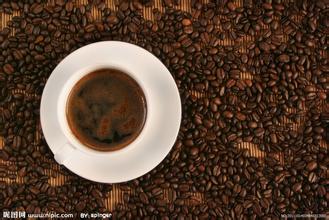
Santo Domingo Coffee Flavor Manor Features Dominican Coffee Bean
Dominican coffee is grown in upland and lowlands and tastes slightly different. Highland plants are sour, but rich in taste; lowland plants are less sour and smoother in taste. In recent years, specialty coffee has become popular. Some Dominican estates produce high-quality coffee beans with rich aroma and rich taste, with a moderately bright acidity. They have been compared with the more famous Puerto Rico beans or teeth.

Coffee producing area of the eastern island of Haiti in the West Indies-Dominica Santo Domingo Coffee
Flavor and taste characteristics: fresh and elegant, full particles, excellent acidity, pleasant aroma. The Dominican Republic is located in the east of the island of Haiti in the West Indies, bordering the Republic of Haiti to the west, the Atlantic Ocean to the north and the Caribbean Sea to the south. With an area of about 49000 square kilometers and a population of 7.1 million, the Dominican Republic and the Republic of Haiti coexist on an island bordering Haiti. Like its neighbors.